
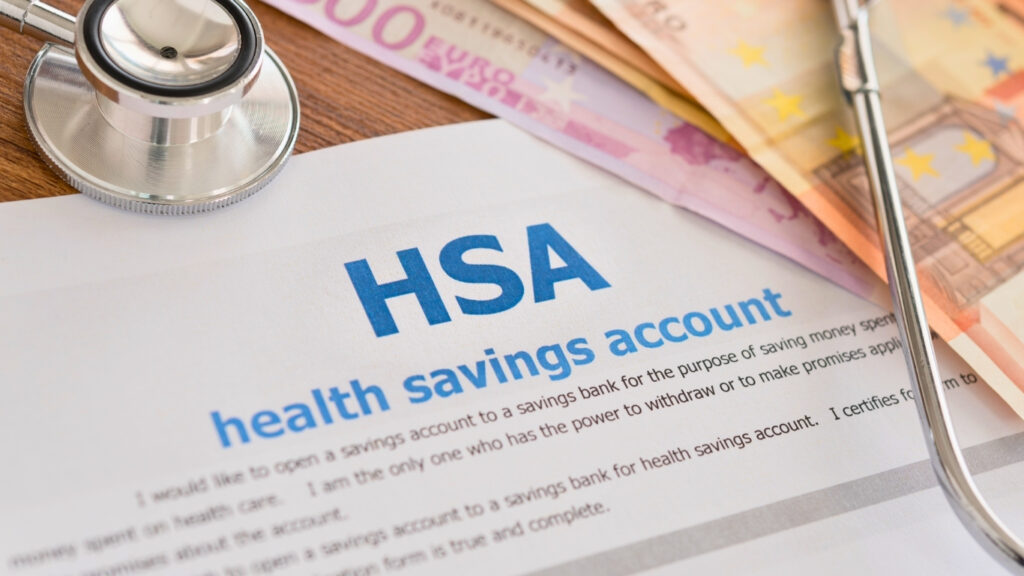
A Health Savings Account works in Oklahoma the same way it works in other states. A person can use one only when enrolled in an HSA-eligible high-deductible health plan. Once eligible, HSA funds can pay or reimburse qualified medical expenses, including many medical, dental, vision, prescription, and eligible over-the-counter costs. Unused money rolls over year to year, so an HSA is not a use-it-or-lose-it account.
Oklahoma residence does not create separate HSA rules. Oklahoma residents still follow federal IRS requirements when opening or using a health savings account in Oklahoma. Coleen Vache can help compare health plans for HSA compatibility, but tax-specific decisions should be reviewed with a qualified tax professional.
Key Takeaways
- An HSA requires enrollment in an HSA-eligible HDHP; Oklahoma residency alone does not determine eligibility.
- For 2026, the self-only contribution limit is $4,400 and the family limit is $8,750.
- HSA funds can cover deductibles, prescriptions, dental care, vision care, and many eligible OTC items.
- Not every high-deductible plan qualifies. Plan documents must clearly state HSA eligibility.
What Can You Use an HSA For in Oklahoma?
An HSA can generally be used for qualified medical expenses that are not fully paid by insurance. The account can help with routine care and unexpected costs, but each expense must meet IRS qualified-medical-expense rules.
- Deductibles, copays, and coinsurance
- Doctor visits and specialist care
- Prescription medications
- Dental cleanings and treatment
- Vision exams, prescription glasses, and contacts
- Eligible over-the-counter medicine and menstrual care products
- Reimbursement for qualified expenses paid after the HSA was established, when records are kept
Many qualified dental expenses can be paid with HSA funds; readers comparing coverage can review dental insurance in Oklahoma before choosing a plan. HSA funds may cover qualified vision expenses such as eye exams, prescription glasses, and contacts; vision insurance in Oklahoma can help with coverage needs beyond the HSA balance.
Who Can Open and Contribute to an HSA?
A person can generally open and contribute to an HSA when the person is enrolled in an HSA-eligible high-deductible health plan and meets the federal eligibility requirements.
Eligibility Requirements
To open and contribute to an HSA, you generally must:
- Be enrolled in an HSA-eligible high-deductible health plan
- Not have disqualifying non-HDHP coverage
- Not be enrolled in Medicare
- Not be claimed as another person’s dependent
- Stay within the annual IRS contribution limits
Not every high-deductible plan is HSA-eligible. Review the Summary of Benefits and Coverage or other plan documents for an explicit HSA-eligibility statement.
2026 HSA Contribution Limits and HDHP Rules

The following table summarizes the 2026 HSA contribution limits and high-deductible health plan requirements. Confirm figures before making a contribution because the IRS adjusts these limits periodically.
| 2026 HSA / HDHP item | Self-only coverage | Family coverage |
|---|---|---|
| HSA contribution limit | $4,400 | $8,750 |
| Minimum HDHP deductible | $1,700 | $3,400 |
| Maximum HDHP out-of-pocket limit | $8,500 | $17,000 |
| Age 55+ catch-up contribution | $1,000 extra | $1,000 extra per eligible account holder |
Employer and employee contributions count toward the same annual HSA contribution limit. These limits can change each year, so confirm the current IRS figures before making contribution decisions.
HSA vs FSA in Oklahoma: What Is the Difference?
An HSA and an FSA can both help pay qualified healthcare expenses, but they have different eligibility, rollover, and account-management rules.
| Feature | HSA | FSA |
|---|---|---|
| Account arrangement | Individually owned account | Usually offered through an employer benefit plan |
| Rollover | Unused balance rolls over | Employer plan may have use-it-or-lose-it rules, a limited carryover, or a grace period |
| Plan requirement | Requires an HSA-eligible HDHP | Does not require an HSA-eligible HDHP |
| Investment option | Some HSA providers allow investing after a balance threshold | Usually no investment option |
| Best fit | Eligible people who want flexibility and rollover | Employees planning predictable annual healthcare expenses |
Opening an HSA in Oklahoma: What You Need to Know
Opening an HSA starts with confirming that the health plan is HSA-eligible. Eligible individuals can generally open an account through a bank, credit union, employer program, or HSA provider and then choose how much to contribute within annual IRS limits.
Can You Open an HSA Without Employer-Sponsored Insurance?
Yes. A person can open an HSA without employer-sponsored insurance when enrolled in an HSA-eligible high-deductible health plan and otherwise eligible under federal rules. This can apply to self-employed people, freelancers, and people who buy qualifying coverage independently.
How to Find an HSA-Eligible Health Plan in Oklahoma
To identify an HSA-eligible plan:
- Review the plan’s Summary of Benefits and Coverage.
- Confirm that the plan explicitly states HSA eligibility.
- Compare deductibles, out-of-pocket limits, prescriptions, and provider network access.
- On HealthCare.gov, use the “Eligible for an HSA” filter when comparing Marketplace plans.
Learn More About Long-Term HSA Strategy
This guide focuses on HSA eligibility, qualified expenses, and plan fit. Readers who want to explore investing HSA funds, saving receipts for future reimbursement, or long-term healthcare planning can read our guide to maximizing your HSA over time.
How an HSA Fits With Your Oklahoma Health Plan
Lower premiums on a high-deductible health plan can be appealing, but a higher deductible can create more out-of-pocket exposure before coverage pays for many services. Before choosing a plan for HSA compatibility, compare provider-network access, prescription coverage, expected doctor visits, dental and vision needs, and total family costs. HSA compatibility is one factor in choosing a plan. It should not be the only factor.
HSA funds generally cannot be used to pay health insurance premiums, so the account should be considered alongside the full cost and coverage design of the plan.
Readers comparing coverage options can review nationwide health insurance plans alongside their HSA-eligibility requirements.
Need help comparing HSA-eligible health plans in Oklahoma? Coleen Vache can help you review plan costs, network access, prescription coverage, and HSA compatibility before you choose coverage.
How to Use HSA Funds for Qualified Expenses
How to Pay and Keep Records
Use HSA funds carefully and keep records for every reimbursement:
- Pay directly with an HSA debit card when a provider accepts it.
- Pay out of pocket and reimburse yourself later for qualified expenses.
- Keep receipts and explanation-of-benefits documents.
- Avoid using HSA funds for non-qualified expenses. Non-qualified withdrawals before age 65 can generally trigger income tax and an additional 20% tax.
Tools, Apps, and Resources for Oklahoma Residents
Several apps like Lively, HSA Bank, and Fidelity help you manage contributions, track expenses, and even invest your HSA funds. For Oklahoma residents, Coleen Vache Healthcare offers free consultations to guide you in setting up and maintaining your HSA.
Common HSA Mistakes to Avoid
Avoid these common mistakes when using an HSA:
- Assuming every high-deductible health plan is HSA-eligible without checking plan documents
- Contributing after Medicare enrollment without confirming eligibility
- Using HSA funds for non-qualified expenses
- Losing receipts needed for reimbursement or an IRS inquiry
- Forgetting that employer contributions count toward the annual contribution limit
- Choosing a plan only for HSA access while ignoring prescriptions, provider network access, or expected care needs
Final Thoughts: Making the Most of Your HSA in Oklahoma
A Health Savings Account in Oklahoma works best when you understand eligible expenses, contribution limits, and the rules of your specific health plan. Review plan documents each year because HSA limits and HDHP requirements can change.
Frequently Asks Questions
Can I open a Health Savings Account in Oklahoma?
Yes. You can generally open an HSA when you are enrolled in an HSA-eligible high-deductible health plan and meet the federal eligibility rules. Oklahoma residence alone does not determine eligibility.
What can I use an HSA for?
HSA funds can generally be used for qualified medical expenses such as deductibles, copays, doctor visits, prescriptions, dental care, vision care, and some eligible over-the-counter items. Keep receipts and confirm that an expense qualifies before reimbursement.
Can I use an HSA for dental and vision expenses?
Yes. Many dental and vision expenses can qualify, including dental cleanings, treatment, eye exams, prescription glasses, and contacts. Qualification depends on the type of expense and supporting documentation.
What is the difference between an HSA and an FSA?
An HSA is individually owned, requires an HSA-eligible health plan, and unused funds roll over. An FSA is usually offered through an employer benefit plan and may have use-it-or-lose-it rules, a limited carryover, or a grace period.
How do I know if my Oklahoma health plan is HSA-eligible?
Review the Summary of Benefits and Coverage and other plan documents. The health plan should explicitly state that it is HSA-eligible. A high deductible alone does not confirm HSA eligibility.
Can I open an HSA without employer-sponsored insurance?
Yes, as long as you’re enrolled in an HSA-eligible HDHP, you can open an HSA independently.


